 Whatsapp
If you’ve ever been turned on, fully aroused, and still didn’t orgasm, you’re not alone. And no, it doesn’t mean your body is broken or “too complicated.” For many people, especially women difficulty reaching orgasm has less to do with desire and more to do with invisible orgasm blockers that nobody explains.

A lot of us grew up with confusing sex education, unrealistic expectations from porn, and almost zero real conversations about the female orgasm. So when orgasms don’t happen easily, it can feel personal. It isn’t. Orgasms are not only about touch. They are connected to the mind, emotions, environment, and your overall sexual wellness.
Quick reminder: Most people do not orgasm from penetration alone. Needing clitoral stimulation, more time, or a different pace is normal.
Overthinking and Mental Distractions During Sex
One of the biggest orgasm blockers is mental noise. Overthinking, self-monitoring, and constantly checking “am I close yet?” pulls your brain out of pleasure mode. Orgasms need presence, and when your mind is busy performing, worrying, or analysing, your nervous system stays alert instead of relaxed.
This is also why masturbation can feel easier than partnered sex. There’s less pressure, fewer expectations, and more freedom to stay in your body instead of observing it from the outside. Pleasure often happens when your brain feels safe enough to let go.
Orgasm Anxiety and Pressure to Perform
Another extremely common issue is orgasm anxiety. The more you want an orgasm to happen, the harder it becomes. Pressure kills pleasure. Many people quietly worry about taking too long, disappointing their partner, or “needing help” from sex toys or external stimulation.
That anxiety can create tension in the body, especially in the pelvic floor, making orgasm feel just out of reach even when arousal is high. Orgasms don’t respond well to deadlines. They respond to permission.
Lack of Clitoral Stimulation and Body Awareness
Despite what movies and porn show, penetration alone is often not enough for orgasm. Most women and people with vulvas need direct or indirect clitoral stimulation to climax, and that stimulation looks different for every body. When clitoral touch is rushed, ignored, or too intense too quickly, the body doesn’t get the gradual build-up it needs.

This is where understanding your own body becomes essential. Through masturbation, exploration, or guided pleasure, many people learn what actually works for them. For some, this is also where vibrators for women or external pleasure tools become helpful support, not a replacement and not a “cheat.”
For gentle, pressure-free exploration, tools like the Good Vibes Pixie Massager can help you focus on sensation rather than performance, offering soft vibrations that support slow build-up and body awareness.
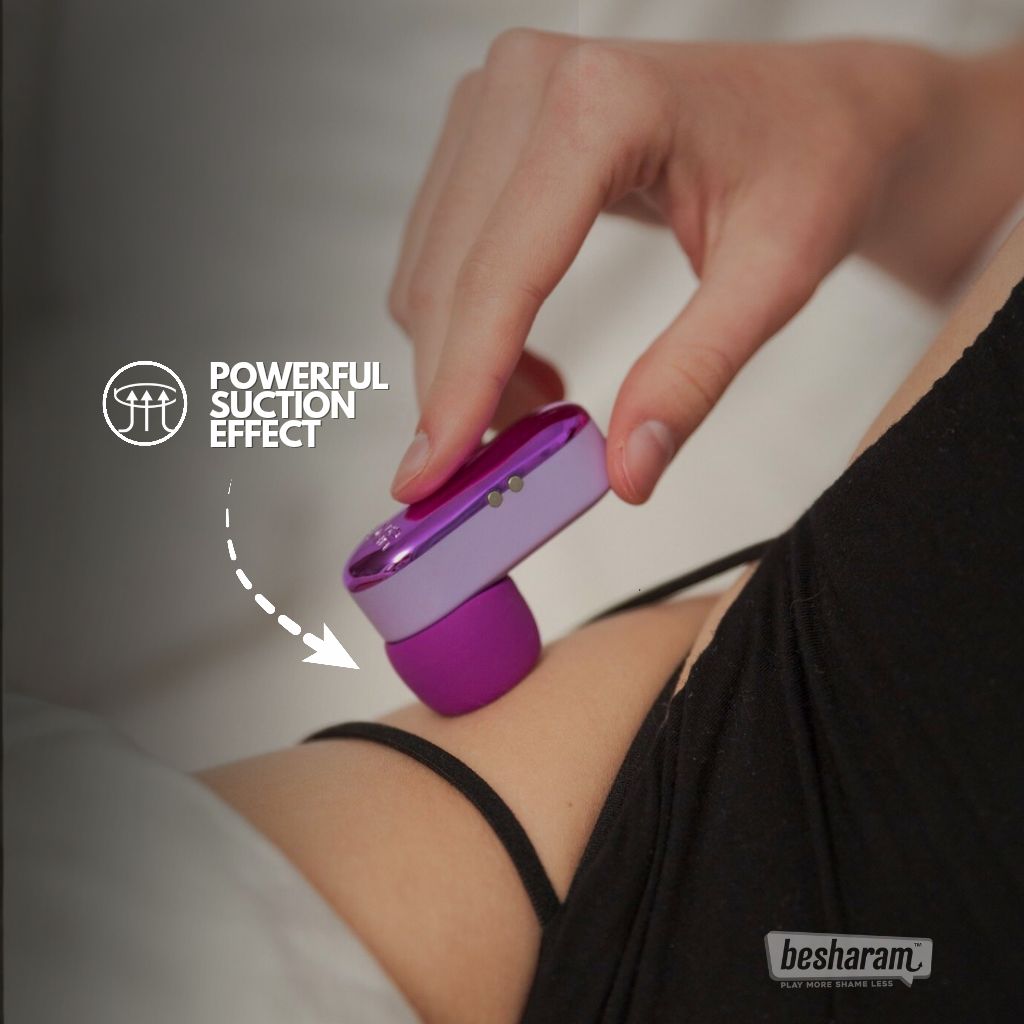
Some people also respond better to suction-style stimulation instead of direct vibration, and a product like the Rose-Bae Flicking Massager provides a pulsing, air-wave sensation that feels less overwhelming and more intuitive for many bodies.

Emotional Safety and Intimacy Issues
Emotional safety plays a bigger role in orgasms than we’re taught to believe. If you don’t feel fully comfortable, heard, or respected with a partner, your body may stay guarded even if your mind wants pleasure. Orgasms are often easier when there is trust, communication, and zero pressure to perform.
Intimacy issues don’t always look dramatic. Sometimes they show up quietly as difficulty letting go or staying present. Feeling emotionally connected helps the body relax into sensation instead of staying on alert.
Stress, Fatigue, and Low Sexual Wellness
Stress and exhaustion are silent pleasure killers. Long workdays, mental load, family responsibilities, and lack of sleep keep the nervous system in survival mode. When your body is overwhelmed, sexual wellness naturally drops lower on the priority list.
This doesn’t mean desire is gone. It can simply mean your body needs rest before release. Pleasure is regulated. When stress reduces, orgasms often return without force.
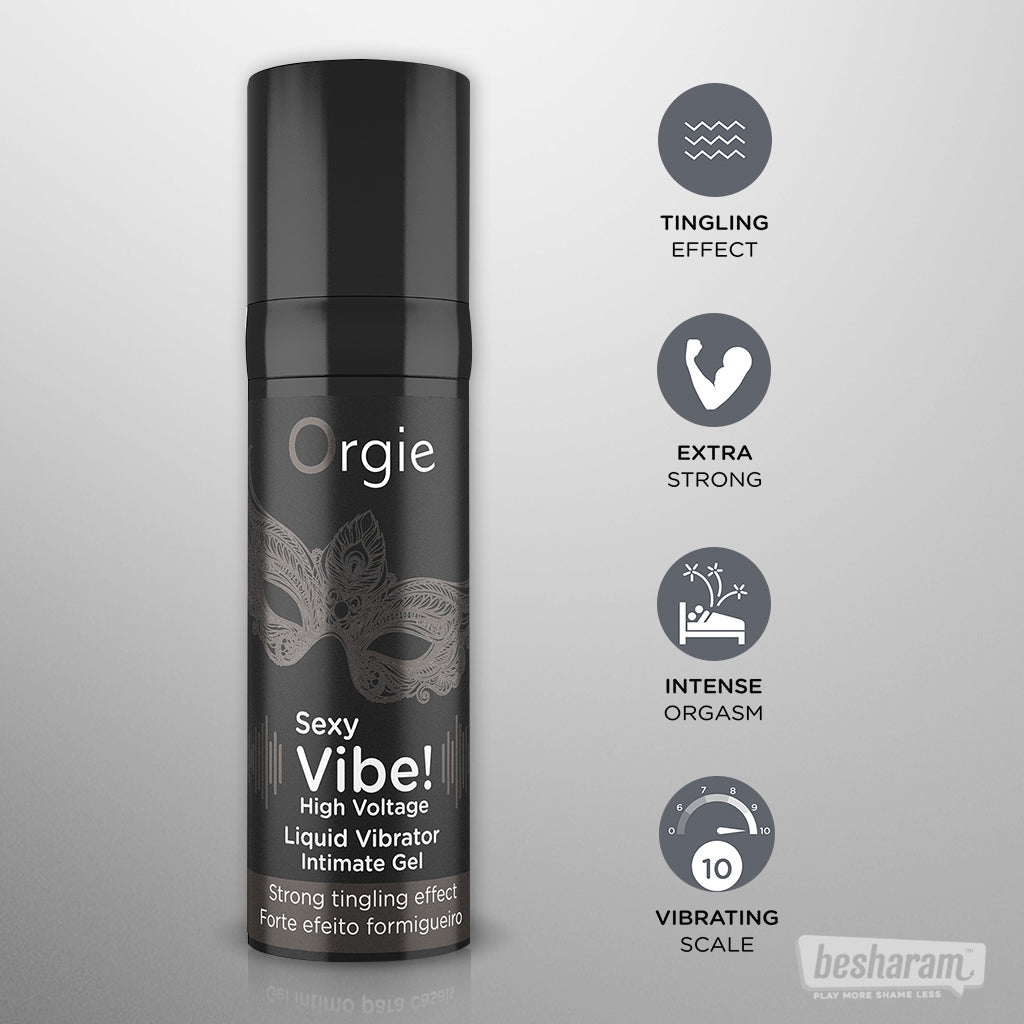
For some people, reducing friction and increasing sensitivity helps the body ease into arousal again. A body-safe option like the Orgie Sexy Vibe Arousal Gel gently enhances sensation while supporting natural arousal without rushing orgasm. You can also explore lubricants to make touch feel smoother and more comfortable, especially if dryness is part of the issue.
Body Image Issues and Self-Consciousness in Bed
Body image is another major orgasm blocker people rarely connect to pleasure. Worrying about how you look, smell, sound, or move during sex pulls attention away from sensation. When you’re watching yourself instead of feeling yourself, orgasms become harder to access.
This is especially common during partnered sex, where comparison and self-consciousness sneak in. Learning to experience your body rather than judge it is a skill, not a personality trait.
Misinformation About Sex, Orgasms, and Pleasure
One of the biggest orgasm blockers of all is misinformation. Many of us learned about sex from porn, which prioritizes performance over real pleasure. Orgasms don’t always look dramatic. They don’t follow timelines. And they don’t happen the same way every time.
When expectations are unrealistic, even good sex can feel “unsuccessful,” which creates a cycle of frustration. Real orgasms are varied, subtle, intense, slow, fast, and deeply personal.
Medication, Hormones, and Health Factors
Sometimes difficulty orgasming has nothing to do with technique. Certain medications (especially some antidepressants), hormonal changes (postpartum, perimenopause, menopause), pelvic pain conditions, and chronic stress can all affect arousal, sensitivity, and orgasm response.
If you notice a sudden change, or you’ve been struggling for a long time with distress, it’s worth considering health factors as part of the picture. This is not about blaming your body. It’s about understanding what support you might need.
Relearning Pleasure on Your Own Terms
The good news is that these orgasm problems do not mean you can’t orgasm. They often mean your body needs different conditions. Slowing down, reducing pressure, exploring solo pleasure, communicating openly, and creating safety can change everything.
This is also where intentional support, whether that’s lubrication, couples toys, or other pleasure products, can be introduced gently and without shame.
For those rebuilding pelvic awareness and internal sensitivity, Fifty Shades of Grey Pleasure Balls can support gentle pelvic floor engagement and deeper body awareness without any pressure to perform.

In partnered exploration, simple enhancers like the Love to Love Cool Cock Ring are sometimes used to help maintain arousal comfortably, so couples can stay connected without turning pleasure into a goal.

When to Consider Professional Support
If orgasm suddenly becomes difficult, or sex feels painful, numb, or emotionally distressing, consider speaking with a qualified healthcare professional or a sex therapist. This is especially important if you recently changed medications, gave birth, have ongoing pelvic pain, or feel anxious or unsafe during sex.
FAQ: Common Questions About Not Orgasming
Is it normal to not orgasm from penetration?
Yes. Most women and people with vulvas need clitoral stimulation to orgasm. Penetration alone often isn’t enough, and that’s completely normal.
Why can I orgasm alone but not with a partner?
Solo pleasure usually has less pressure and more control over pace, position, and stimulation. With a partner, anxiety, distraction, or communication gaps can make orgasm harder even when arousal is high.
Do vibrators make you dependent?
No. Vibrators are simply a tool. They can help you learn what sensations work for your body and can also reduce pressure during partnered sex by making stimulation more consistent.
What if I feel “close” but can’t cross the edge?
This often happens with tension, overthinking, or stimulation that changes too fast. Try slower build-up, steady rhythm, more lube, and focusing on breath and relaxation instead of chasing a finish line.
How do I talk about this without feeling awkward?
Try simple, soft language: “I like slower touch,” “Can we stay here a bit longer?” or “Clitoral stimulation helps me orgasm.” Most partners want guidance, they just need it kindly and clearly.
You Are Not Broken, You Are Learning
Orgasms are not a test you pass. They are a response your body offers when it feels ready. Whether through masturbation, partnered sex, or shared exploration, pleasure is something you learn, not something you owe anyone.
You’re not late. You’re not failing. You’re just human. And real pleasure begins exactly there.